It’s not all about DNA. RNA could transform real-time environmental surveillance
By vanishing quickly, RNA avoids DNA’s problem of lingering too long, giving ecologists a sharper, more immediate picture of life in lakes, rivers, and beyond.

Nonprofit journalism dedicated to creating a Human Age we actually want to live in.

and throw your support behind
science journalism


By vanishing quickly, RNA avoids DNA’s problem of lingering too long, giving ecologists a sharper, more immediate picture of life in lakes, rivers, and beyond.

New research finds that the global decline of scavengers like hyenas and vultures is putting ecosystems—and human health—at risk.

New study offers some of the most compelling real-world evidence yet that pharmaceutical pollution is messing with wildlife behavior and habitat.

Good news from a new study: New protocols could cut emissions associated with surgical anesthesia in half—with no adverse effects on patient outcomes

Some individuals of the Sierra Nevada yellow-legged frog survived the fungal plague wiping out species around the world. Now, scientists have shown they can recolonize habitat.

A new survey of bacteria in bird feces reveals how humans are infecting animals, and how the problem could boomerang back to us.
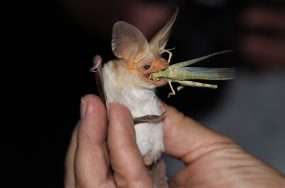
New research finds strong links between the arrival of white-nose syndrome, increased insecticide use, and higher infant mortality.

Loss of vultures due to accidental poisoning resulted in more than 100,000 human deaths per year in India.

A team of heat experts known as Los Angeles Urban Cooling Collaborative calculated exactly how much of a difference low-tech solutions like trees and white paint could make in an overheating world.