Do coyotes thrive in cities more than in the wild?
A study in Washington State found about nine times as many coyotes per area in Seattle as in remote forests.

Nonprofit journalism dedicated to creating a Human Age we actually want to live in.

and throw your support behind
science journalism

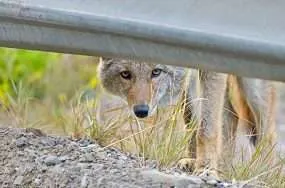
A study in Washington State found about nine times as many coyotes per area in Seattle as in remote forests.

In a first, researchers realistically calculated how solar farms in the Gobi Desert improve air quality in northern Chinese cities

Scientists expected their artificial floating wetland to help only after cleaning the water. Instead, greenhouse gas emissions dropped months earlier, and nobody is sure exactly why.

A provocative new study argues that a building’s real environmental cost is measured by how well it survives disaster, not by how little it weighs.

Building standards treat all concrete the same, hindering the use of greener concrete, but climate conditions play a much bigger role in determining a structure’s durability

In a new study, people who listened to audio recordings of birds singing report getting less benefit when paired with even quiet traffic sounds.

A study published in Nature Cities suggests that forests placed strategically outside urban cores can lower temperatures across much of a city.

Urban planners have been asking the wrong question. It’s not how dense a city is—it’s how close. The sweet spot for shorter commutes and lower emissions, for many cities, forms a ring.

By using electricity and recycled materials, researchers made a cement that cuts energy use by 70% and carbon dioxide emissions by as much as 98% compared with traditional cement production