Less is more. So why does more feel greener? 9 studies probe the “sustainable additive bias”
Consumers judge companies greener when they add eco-friendly items more so than when they remove unnecessary ones, researchers found.

Nonprofit journalism dedicated to creating a Human Age we actually want to live in.


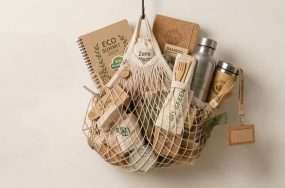
Consumers judge companies greener when they add eco-friendly items more so than when they remove unnecessary ones, researchers found.

A new rating system combines a “planet score” and a “people score” to see past confusing eco-labels. Tofu came out on top, and steak and cheese at the bottom.
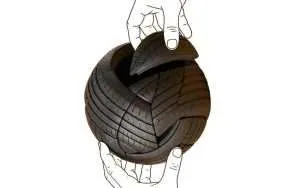
Tires are hard to recycle and shed microplastics as they wear. A modular design with a replaceable tread may offer a solution to both problems.
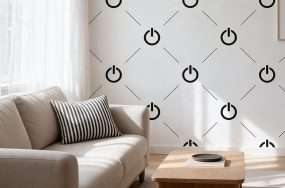
HVAC systems burn energy pulling moisture out of the air. This wallpaper does the opposite: It cut humidity while generating electricity.

The same proteins that keep a frozen pint smooth also make its fat hard to recover. A research team found an inexpensive way around the problem.

In a bid to cool people, not rooms, engineers made a printable fabric that turns body motion into electrical signals that switch on cooling and heating when you need it.

Kids leave diapers behind nearly a year later than they did in the 1950s. With 300,000 disposable diapers tossed every minute, a new study maps three ways out.

Frozen food worldwide is still kept at −18°C (0°F). Raising that by just three degrees could avoid 17 million tons of emissions a year, and an 18-month study found most foods stay safe and tasty.

The natural biodegradable material, which costs less than $1 for a piece the size of a sheet of paper, could provide an purification for vulnerable communities.