


Latest Articles
Stories about sustainability and climate that move the conversation from alarm and outrage to discussions about practical paths to the future we all want.
Let the best of Anthropocene come to you.
The green revolution may be turning purple
The synthetic fertilizers behind the Green Revolution come at a steep climate cost. A sunlight-powered purple microbe just matched them in a 2-year field trial.

Researchers have made wallpaper that generates power from indoor humidity
HVAC systems burn energy pulling moisture out of the air. This wallpaper does the opposite: It cut humidity while generating electricity.

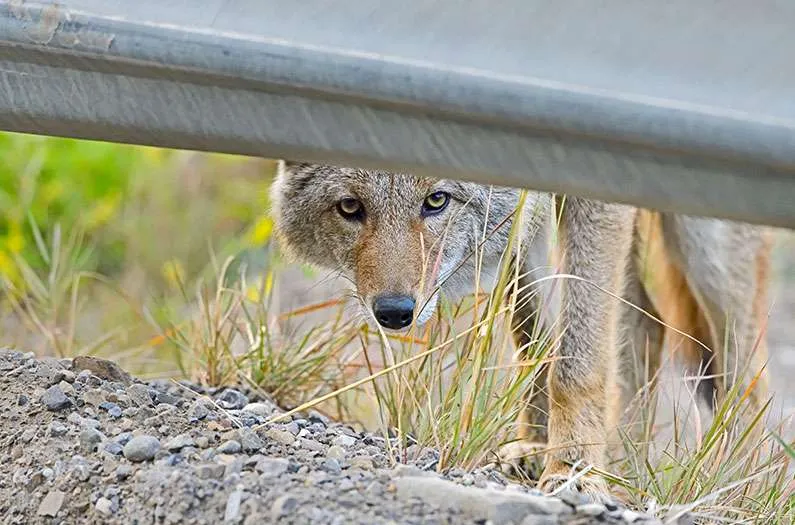
Do coyotes thrive in cities more than in the wild?
A study in Washington State found about nine times as many coyotes per area in Seattle as in remote forests.
Solar panels have (another) surprising side effect: Stopping dust storms in their tracks
In a first, researchers realistically calculated how solar farms in the Gobi Desert improve air quality in northern Chinese cities

From sundae to solvents: Chemists find a way to recycle mountains of industrial ice cream waste
The same proteins that keep a frozen pint smooth also make its fat hard to recover. A research team found an inexpensive way around the problem.

Clothes that cool you, warm you—and make power as you move
In a bid to cool people, not rooms, engineers made a printable fabric that turns body motion into electrical signals that switch on cooling and heating when you need it.

Inside the $100M AI bet to track wildlife across the Amazon in real time
Hobbled by a lack of data, scientists have been unable to track biodiversity across much of the planet. A new initiative called Amazon.ia shows how technology might help solve the problem.

How earlier toilet training could help stem the tide of plastic waste
Kids leave diapers behind nearly a year later than they did in the 1950s. With 300,000 disposable diapers tossed every minute, a new study maps three ways out.

A 100-year-old freezer rule has a hidden climate cost
Frozen food worldwide is still kept at −18°C (0°F). Raising that by just three degrees could avoid 17 million tons of emissions a year, and an 18-month study found most foods stay safe and tasty.

Engineers just mapped a narrow path to greener flying
Flying behind commercial jets, a team pinpointed the exact combination of fuel and engine technology that cuts both soot and the contrails warming the planet.
