


You have opted out of our 2025 NewsMatch fundraising drive
You will not receive end-of-year membership emails from us, however you may still see donation messages in your newsletters and on our website. As a nonprofit newsroom, membership is how we fund our operation. We hope that in the future you will be able to become a member of the Anthropocene.
For now, thanks for being a reader.
Let the best of Anthropocene come to you.
The green revolution may be turning purple
The synthetic fertilizers behind the Green Revolution come at a steep climate cost. A sunlight-powered purple microbe just matched them in a 2-year field trial.

Researchers have made wallpaper that generates power from indoor humidity
HVAC systems burn energy pulling moisture out of the air. This wallpaper does the opposite: It cut humidity while generating electricity.

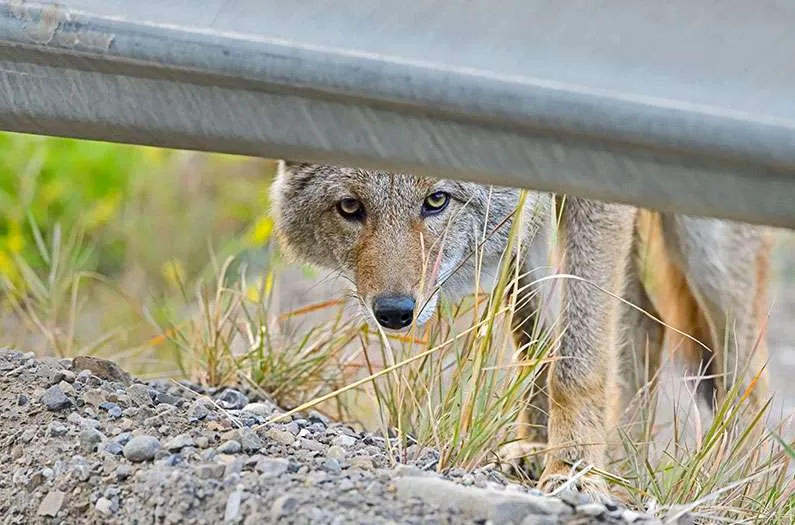
Do coyotes thrive in cities more than in the wild?
A study in Washington State found about nine times as many coyotes per area in Seattle as in remote forests.
Solar panels have (another) surprising side effect: Stopping dust storms in their tracks
In a first, researchers realistically calculated how solar farms in the Gobi Desert improve air quality in northern Chinese cities

From sundae to solvents: Chemists find a way to recycle mountains of industrial ice cream waste
The same proteins that keep a frozen pint smooth also make its fat hard to recover. A research team found an inexpensive way around the problem.

Clothes that cool you, warm you—and make power as you move
In a bid to cool people, not rooms, engineers made a printable fabric that turns body motion into electrical signals that switch on cooling and heating when you need it.

Inside the $100M AI bet to track wildlife across the Amazon in real time
Hobbled by a lack of data, scientists have been unable to track biodiversity across much of the planet. A new initiative called Amazon.ia shows how technology might help solve the problem.

How earlier toilet training could help stem the tide of plastic waste
Kids leave diapers behind nearly a year later than they did in the 1950s. With 300,000 disposable diapers tossed every minute, a new study maps three ways out.

A 100-year-old freezer rule has a hidden climate cost
Frozen food worldwide is still kept at −18°C (0°F). Raising that by just three degrees could avoid 17 million tons of emissions a year, and an 18-month study found most foods stay safe and tasty.

Engineers just mapped a narrow path to greener flying
Flying behind commercial jets, a team pinpointed the exact combination of fuel and engine technology that cuts both soot and the contrails warming the planet.
