Colombia’s hippo population is a fascinating ecological conundrum
emblematic of our mixed-up 21st-century Earth

Nonprofit journalism dedicated to creating a Human Age we actually want to live in.

and throw your support behind
science journalism


emblematic of our mixed-up 21st-century Earth

Whether and how forests adapt to climate change may be as much about animals as trees.
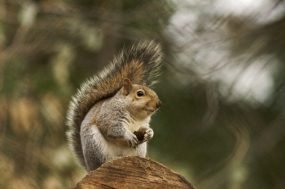
More Americans than ever think of animals as sharing basic mental traits with people, and view wildlife as part of our larger community—but wildlife management does not reflect this shift.
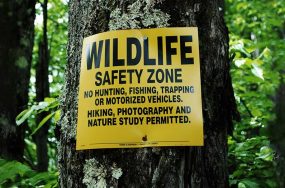
When non-native animals are included in biodiversity counts, new possibilities for conservation may emerge.
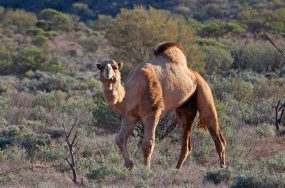
Too often viewed as degraded forests rather than valuable grasslands, savannas are threatened by carbon-storing afforestation programs that might not even work.
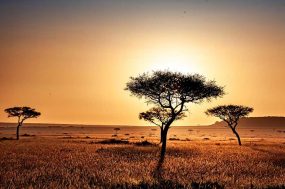
A new study shows just how important buildings can be for little brown bats, a once-common species ravaged by disease.
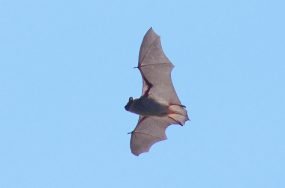
It’s often argued that logging trees killed by insects or diseases is beneficial for forests—but evidence is mounting that it causes long-term ecological disruption.
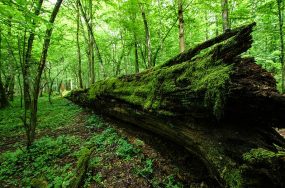
Pigeons are a symbol of urban life—so much so, in fact, that the condition of their bodies is a literal reflection of the environments they share with us.
Los mares profundos son verdaderamente la última frontera de la Tierra, mundos lejanos de belleza extrema en los que solo se ha explorado una fracción mínima, y es hora de comenzar a pensar en cómo restaurarlos.

As Earth warms and weather patterns become more variable, climate change could alter the biosphere in a little-appreciated way: by changing how it sounds.
