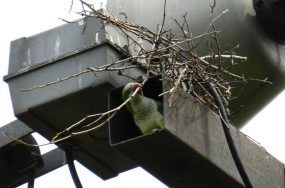
Seabirds produce $470 million worth of guano every year
Researchers did a dung-to-dollars analysis to help give them more credit.

Nonprofit journalism dedicated to creating a Human Age we actually want to live in.


Researchers did a dung-to-dollars analysis to help give them more credit.
Between 2005 and 2012, Brazil brought its deforestation rates down by 70%. If we do that elsewhere, we could greatly reduce the risk of new pandemics.
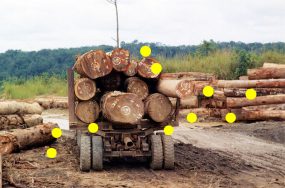
A recent study found that protecting America’s undeveloped, privately held lands could push all of the country’s endangered mammals, birds, amphibians and reptiles past a crucial habitat threshold.
Artworks in museums and private collections could double as a database of fruits, vegetables, legumes, grains, nuts and seeds. And you can help.

Researchers propose a decentralized screening system that could keep an eye out for zoonotic outbreaks.
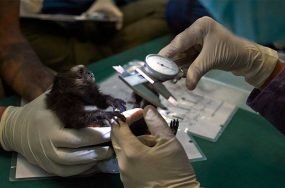
Ideas that we now take for granted can take a very long time to come into vogue.
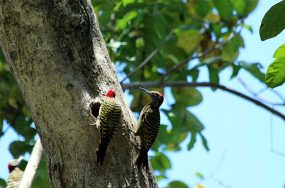
Being able to resurrect species would be exciting—but lessons from reintroduction biology help us imagine what could go wrong.
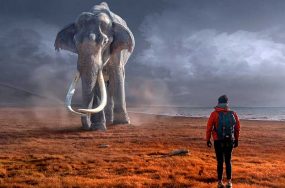
But protecting currently underrepresented types of land might.
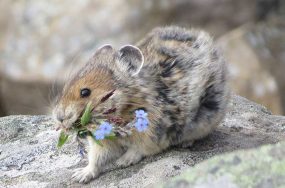
Like “below 2 degrees Celsius” for climate change, the biodiversity crisis needs its own target and rallying cry.
Plants grow on sidewalks, ants thrive on heat islands, and frogs can live in runoff ponds. We may need some new protocols, too.